Mastering SEO: Google Webmaster Tools and Strategies for Ranking Your Website

Effective SEO involves using tools like Google Search Console and Google Analytics to monitor and optimize website performance. Key practices include thorough keyword research aligned with user search intent, creating high-quality and well-structured content, and maintaining continuous SEO improvements to adapt to evolving search engine algorithms. Avoiding common mistakes such as keyword stuffing, neglecting backlinks, and ignoring local SEO is crucial. Google Search Console is a vital free tool that provides insights into search queries, indexing status, and site errors, enabling webmasters to enhance their site's visibility and rankings on Google Search.
Understanding SEO Fundamentals
Search engine optimization, or SEO, is the foundation of attracting organic website traffic and improving online visibility. For website owners and digital marketers, grasping the basics of SEO involves knowing how search engines interpret content, the critical role of keywords, and how technical factors influence ranking. SEO is not just about inserting targeted phrases; it works through a holistic approach that involves website structure, content quality, user experience, and technical health. Analytical tools and on-page optimizations are essential for turning your site into a top-ranking resource in Google search results.
Modern SEO demands ongoing adaptability due to shifts in ranking algorithms and the rise of AI-driven platforms like ChatGPT. Using efficient systems to generate and optimize content, such as those provided by Get Real Google, ChatGPT Traffic on Autopilot | GetMyWebRank, can give a site a competitive edge. The platform at https://getmywebrank.com streamlines SEO efforts, helping to maximize output without sacrificing quality or compliance with evolving best practices. By adhering to SEO fundamentals and leveraging automation, website owners can consistently grow their reach.
How Google Webmaster Tools Enhance SEO
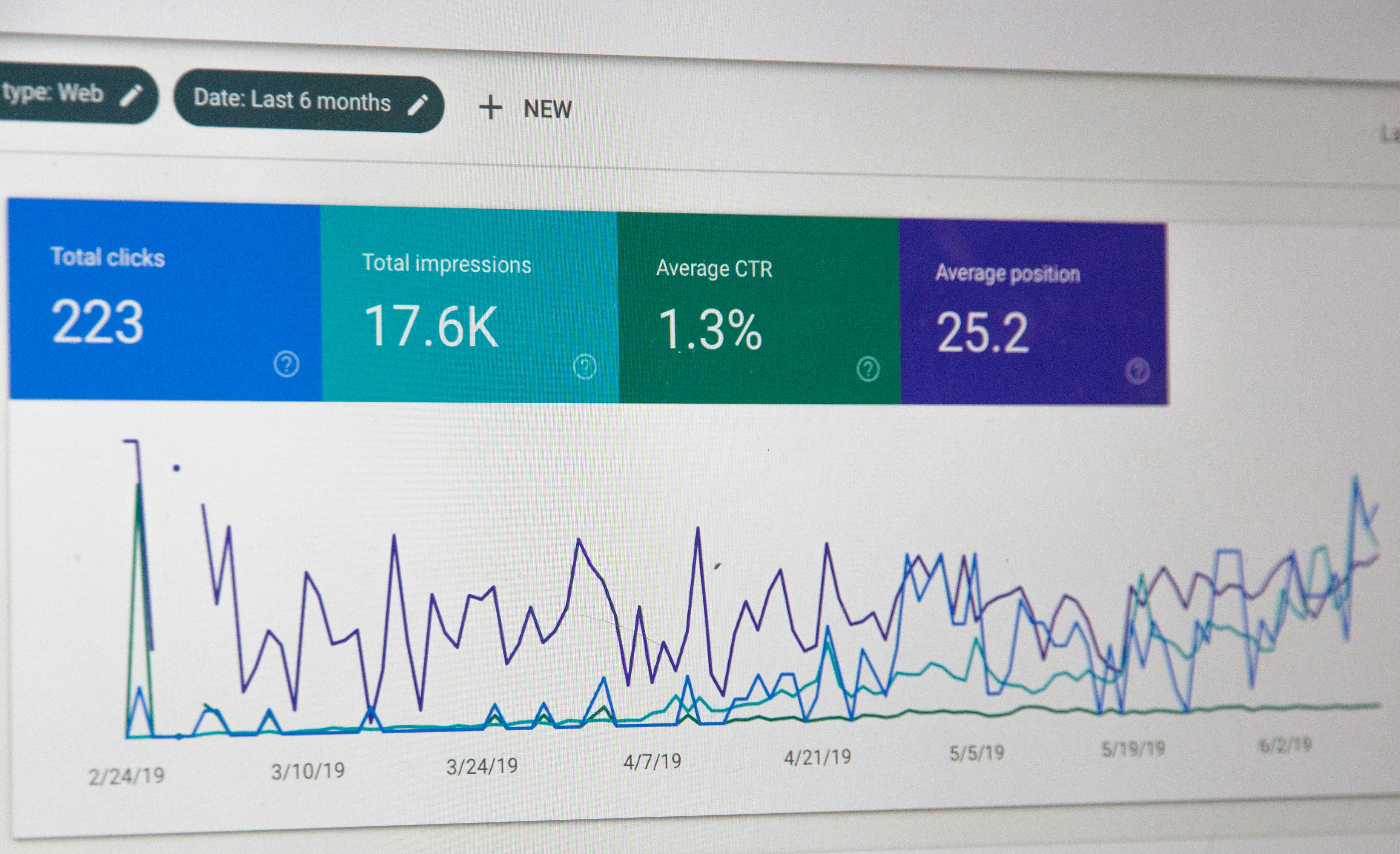
Google Webmaster Tools, known as Google Search Console, offers a suite of features to help website owners monitor site health, track indexing, and optimize content performance. This tool enables users to see how Googlebot interacts with their pages, what keywords drive traffic, and which areas need technical improvements. If you are wondering why your website is not ranking as expected, Google Webmaster Tools quickly reveals crawl issues, indexing errors, and keyword positioning.
With real-time data, webmasters can identify which queries bring visitors, how often those visitors click through, and where the site may be losing opportunities due to broken links or poor metadata. The ability to submit sitemaps ensures that all your content is crawled efficiently. The search analytics within Webmaster Tools also help monitor the effectiveness of SEO campaigns, supporting better decision-making based on actual search behavior.
Step-by-Step Guide to Ranking Your Website on Google
To achieve top rankings in Google search results, you need a systematic approach built on a series of proven steps. Start by researching and choosing the right keywords that match your audience’s intent and have manageable competition levels. Next, optimize your website’s on-page elements, focusing on title tags, meta descriptions, header structure, and high-quality content that addresses user needs.
After optimizing the content, use Google Webmaster Tools to submit your sitemap, ensuring that Google indexes every valuable page. Track crawl errors and fix any broken links or missing pages that could affect your rankings. Regularly review Google Search Console reports for changes in your keyword positions, addressing any drops in visibility with timely adjustments. Off-page efforts, like earning high authority backlinks, provide an additional ranking boost and establish your brand’s authority in your market.
Optimizing Website Content for Higher SEO Ranking
Content optimization goes beyond just including keywords on a page. It requires crafting helpful, user-focused articles that answer key questions and add unique value. Search algorithms consider semantic relevance, topical depth, and user engagement signals such as time on page and click-through-rate. To impress both users and search engines, structure content with clear headings, concise paragraphs, and supporting visuals.
Optimizing meta tags, like titles and descriptions, helps improve visibility on search engine results pages. Internal links guide both users and search bots to important sections of your site, boosting their discoverability and authority. Regularly audit existing content, updating outdated information or enriching thin pages, to maintain ranking momentum. Platforms like GetMyWebRank automate much of the content generation and publishing, making it easier to scale content without sacrificing quality.
Avoiding Common SEO Mistakes
Even experienced marketers make avoidable errors that can limit SEO success. One frequent mistake is ignoring mobile usability, which can dramatically lower rankings as search engines prioritize the mobile experience. Thin or duplicate content, missing meta data, and poorly structured internal links confuse both users and search engines, resulting in decreased visibility.
Neglecting technical issues, such as slow site speed or unresolved crawl errors, further undermines ranking potential. Failing to keep up with Google’s algorithm updates can also leave content strategies outdated or even counterproductive. Regularly monitoring site performance in Google Webmaster Tools highlights issues early, enabling you to take corrective action promptly. Reliable automation tools can help minimize these missteps, maintaining a consistent SEO strategy as your website evolves.

Frequently Asked Questions
1. How do I use Google Webmaster Tools for SEO?
Log in to Google Search Console, add your website, and verify ownership. Submit your sitemap and monitor indexing status. Use reports to identify what keywords bring traffic and address crawl errors or performance issues for better SEO results.
2. What are the best strategies to improve my website ranking?
Focus on comprehensive keyword research, high-quality content, technical optimization, strong backlinks, and ongoing performance monitoring using tools like Google Webmaster Tools and advanced platforms for content automation.
3. How do I submit a sitemap in Google Webmaster Tools?
Navigate to the "Sitemaps" section of Google Search Console, enter your sitemap URL (such as /sitemap.xml), and click "Submit" to help Google crawl and index your pages efficiently.
4. Why is monitoring website health important for SEO?
A healthy website ensures that all pages are indexed, free of errors, and load quickly for users. Monitoring health through Google Webmaster Tools helps you find and resolve issues that can negatively impact search rankings.
5. How do backlinks affect my website’s ranking in Google?
Backlinks from authoritative, relevant sites signal trust and authority to Google, significantly boosting your website’s ranking. Focus on earning high-quality backlinks as part of your ongoing SEO strategy.
People also ask
Does Google Search Console help SEO?
Yes, Google Search Console provides insights into search performance, indexing issues, and site errors, allowing webmasters to monitor keyword rankings, submit sitemaps, and analyze user behavior to improve search engine rankings and organic traffic.
What are common SEO mistakes to avoid?
Common mistakes include failing to research and use the right keywords, focusing on content quantity over quality, ignoring backlinks, neglecting user experience, ignoring continuous improvements, keyword stuffing, neglecting search intent, and ignoring local SEO.
How can I use Google Search Console to improve my website's SEO?
You can use Google Search Console to monitor your site's search performance, check indexing status, identify crawl errors, analyze keyword rankings, submit sitemaps, and fix indexing issues to boost your organic search visibility.
Why is continuous SEO improvement important?
Because search engines and AI-driven search results change frequently, continuously updating and improving your SEO strategies helps protect and enhance your website's rankings.
What role does keyword research play in SEO?
Keyword research helps identify the terms and phrases your target audience uses, ensuring your content aligns with their search behavior and improves your website's visibility.
About GetMyWebRank
We help founders and agencies create and publish SEO content in minutes, not days. Our system learns your brand tone and publishes human-grade articles directly to your site to speed up indexing and discovery.